

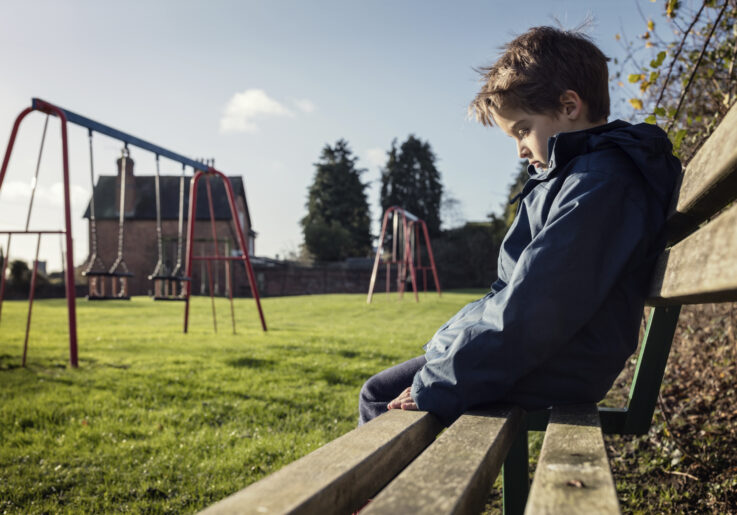
Parents trust schools to provide a safe environment where children can learn, grow, and thrive. But what happens when the threat to your child’s safety comes from inside the classroom? Allegations of sexual misconduct by teachers are rare—but when they occur, the consequences are devastating.
Recognizing early warning signs can empower parents to act before harm occurs.
Understanding the Risk: Why Vigilance Matters
Sexual misconduct in educational settings is a deeply sensitive issue. While most teachers are dedicated professionals, a small number abuse their positions of authority. According to the U.S. Department of Education, thousands of cases involving sexual misconduct by school personnel are reported each year.
Offenders often operate by grooming both students and adults, gradually building trust before crossing boundaries. Because grooming can appear like typical mentoring or friendly behavior, it’s often overlooked or dismissed—especially if the teacher is well-liked or charismatic.
Behavioral Red Flags to Watch For
While not every concerning action points to abuse, there are specific behaviors that should raise alarm bells:
- Excessive one-on-one time: Teachers spending significant unsupervised time with a particular student—especially behind closed doors—can be a red flag.
- Gifting or favoritism: Offering special privileges, gifts, or excessive praise to one student may be part of grooming behavior.
- Overstepping personal boundaries: Inappropriate comments, excessive physical contact, or asking about a child’s private life may signal misconduct.
- Social media contact: Attempting to communicate with students via personal messaging apps or social media outside of school-related activities is a major warning sign.
- Encouraging secrecy: Telling a student to keep certain conversations or actions “just between us” is a tactic abusers use to create silence and control.
These behaviors—especially if repeated—may signal grooming or boundary violations. Take any of these signs seriously, and follow up if something feels off.
What Parents Can Do To Protect Their Children
Parents play a critical role in protecting their children. If something feels wrong, it’s important to take meaningful steps:
- Trust your instincts; they often detect subtle changes in behavior or mood.
- Speak with your child in a calm, supportive way to encourage openness.
- Document concerning incidents, including dates, times, and specific observations.
- Report suspicions to school officials, such as a principal or counselor.
- Notify law enforcement or child protective services if a child may be in danger.
By acting quickly, parents can disrupt grooming behavior before it escalates—and help keep all children safe.
Steps To Take When Schools Fail To Respond
Unfortunately, not all schools act promptly or responsibly. If administrators dismiss or ignore your concerns:
- Continue documenting your communications and the school’s responses.
- Request written explanations for decisions or delays.
- Speak with an attorney who handles cases involving school liability, abuse, or negligence.
- Consider filing a report with the state’s Department of Education or Board of Education.
Legal guidance may be essential when a school fails to protect students or respond adequately to allegations.
Advocating for Safer School Policies
Prevention doesn’t stop with identifying red flags—it also includes strengthening schoolwide protections. Parents can advocate for safeguards such as:
- Mandatory boundary and misconduct training for teachers and staff.
- Clear guidelines restricting one-on-one time between students and teachers.
- Bans on private social media messaging or personal texting between staff and students.
- Transparent, accessible systems for students and parents to report concerns.
Advocating for better policies helps reduce risks and creates a culture of safety and accountability.
A Personal Injury Lawyer Can Help
If your child was harmed due to a teacher’s misconduct or a school’s failure to act in Washington, you may have legal options. A personal injury lawyer can help you understand your rights, investigate what happened, and pursue justice on your family’s behalf.
Schools and school districts can be held accountable when they neglect their duty to protect students. To learn more and seek help, contact Darrell Cochran Personal Injury Lawyer today. We offer a free consultation with a Seattle personal injury attorney.
For more information, contact an experienced sexual abuse lawyer at Darrell Cochran Personal Injury Lawyer to schedule a free initial consultation. We have convenient locations in Seattle and Tacoma, Washington.
Darrell Cochran Personal Injury Lawyer – Seattle
701 5th Ave Suite 4300A, Seattle, WA 98104
(253) 948-0250
Darrell Cochran Personal Injury Lawyer – Tacoma
909 A St Ste 700, Tacoma, WA 98402
(253) 264-0225